

Old Navy is one of those stores that almost everyone has shopped at at some point. From affordable jeans to basic T-shirts and seasonal deals, the brand has made itself a staple in American malls and online shopping carts. But with more buyers questioning the environmental and ethical impact of clothing companies, the uncertainty naturally arises: does Old Navy fall into the category of fast fashion?
What Fast Fashion Really Means
The phrase “fast fashion” describes clothing brands that bring new styles to market quickly, sell them cheaply, and encourage consumers to buy more. Hallmarks of this model include:
- Constant new arrivals designed around trends.
- Prices kept low to appeal to a broad audience.
- Use of cheaper fabrics such as polyester blends.
- Manufacturing on a global scale to keep costs down.
This model has benefits like clothes are affordable and accessible. But it also comes with downsides like textile waste, questions about factory conditions, and clothing that doesn’t last as long.
How Old Navy Fits the Picture
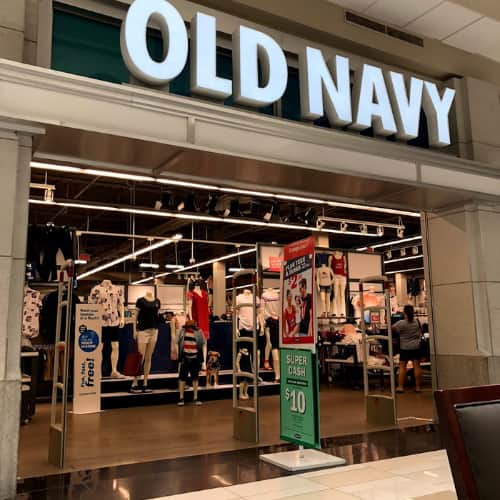
Old Navy is part of Gap Inc., alongside Gap, Banana Republic, and Athleta. Within this group, Old Navy is positioned as the economical brand for families and bargain-hunters. That alone makes it easy to see why people connect it with fast fashion.
Some factors that support this view:
- Pricing: Most products are in the low-to-mid price range.
- Sales: Promotions such as $1 flip-flop events drive large volumes of sales.
- Collections: Seasonal changes and trend-driven lines arrive throughout the year.
- Materials: Cotton basics are common, but many pieces rely on polyester and blends.
- Scale: Products are made in factories around the world, distributed to hundreds of stores.
Put together, these traits show that Old Navy shares much of the fast fashion DNA.
Old Navy Compared With Other Brands
To see how Old Navy stands in the wider retail landscape, here’s a simple comparison:
| Brand | Price Level | Speed of new Collection | Sustainability Efforts |
| Old Navy | Low–Mid | Frequent arrivals | Cotton sourcing goals, size inclusivity |
| H&M | Low–Mid | Very frequent | Conscious collection, recycling bins |
| Zara | Mid | Extremely frequent | Limited eco goals |
| Uniqlo | Mid | Moderate | Focus on basics, durability |
| Forever 21 | Very Low | Extremely frequent | Few public initiatives |
Of course, Old Navy doesn’t move as fast as Zara or Forever 21 but still leans toward the same mass-market model.
Points in Old Navy’s Favor
While it checks many fast fashion boxes, Old Navy has made some efforts that differentiate it slightly from pure “trend churn” retailers.
- Size inclusivity: With the “BODEQUALITY” campaign, sizes 0 through 30 are offered in the same styles at the same price.
- Sustainability targets: Gap Inc. has committed to sourcing more sustainable cotton and reducing emissions in its supply chain.
- Durability in basics: Items like jeans and outerwear tend to hold up longer than ultra-cheap tops or accessories.
These initiatives don’t remove Old Navy from the fast fashion conversation, but they show some effort toward addressing customer concerns.
Advantages of Shopping from there
From a consumer standpoint, the appeal is clear. Shoppers return to Old Navy because:
- Prices fit most family budgets.
- There’s clothing for every age group in one store.
- Frequent sales make it easy to stock up.
- Styles cover both casual wear and office-friendly basics.
Downsides to Keep in Mind
At the same time, buying from Old Navy comes with drawbacks linked to the fast fashion model:
- Clothing may wear out faster than higher-end pieces.
- Reliance on synthetics contributes to microplastic pollution.
- Production at scale brings questions about labor practices.
- Promotions encourage overbuying, adding to textile waste.
How Customers Can Shop Smarter
Many shoppers don’t want to stop buying from Old Navy altogether as the price and convenience are hard to beat. But there are ways to shop more thoughtfully:
- Focus on long lasting basics (jeans, jackets, plain tees) rather than impulse buys.
- Care for clothes by washing in cold water and air-drying to extend their lifespan.
- Donate, resell, or recycle unwanted clothing instead of throwing it out.
- Take advantage of sales without overbuying items that may not get worn.
So, is Old Navy fast fashion? The short answer is yes. It shares many of the same features: affordable pricing, frequent new collections, global supply chains, and trend-driven products. At the same time, the brand has made some attempts to address issues such as inclusivity and sustainability, though these efforts don’t fully separate it from the fast fashion label.
For shoppers, the choice comes down to priorities. Old Navy offers affordability and accessibility, but consumers concerned about sustainability may want to limit purchases to basics that will last, or balance their wardrobe with secondhand and higher-quality options.