
Among the many styles that have pushed the limits of imagination, avant garde fashion came as one of the boldest. It challenges what clothing means, turning garments into statements and pushing people to look at style from an entirely new angle. This form of fashion may not be about everyday wear expressing ideas, reshaping beauty standards, and pushing the boundaries of what fabric and form can do.
What Does Avant Garde Fashion Represent?
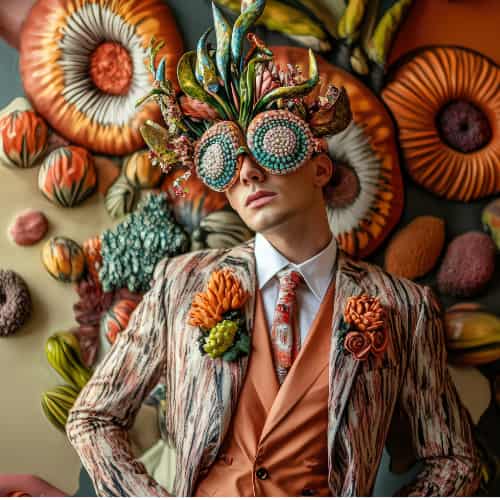
In the arena of style, Avant garde fashion represents innovation, artistic freedom, and boundary-breaking creativity. Instead of following traditional trends, it challenges them. Clothing pieces in this genre resemble art installations more than casual outfits. They display originality and push people to question what fashion can be.
Main points:
- Uses bold and unconventional designs.
- Focuses more on artistic statement than functionality.
- Often challenges cultural norms of beauty.
- Looks experimental, sculptural, and theatrical.
Beginning of this Fashion
The word “avant garde” originates from the French military term meaning “advance guard.” In creative fields, it refers to ideas ahead of their time. Fashion adopted this mindset during the 19th and 20th centuries, borrowing inspiration from surrealism, cubism, futurism, and abstract art.
Designers started creating pieces that went beyond wearability. Clothing transformed into art pieces, making fashion shows feel like theater performances rather than simple presentations.
Characteristics That Define it
Several traits make avant garde fashion easy to identify. These features make it stand apart from other categories:
- Unconventional Silhouettes: Shapes are exaggerated, asymmetrical, or abstract.
- Experimental Materials: Designers use metal, plastic, recycled objects, or 3D-printed textiles.
- Bold Themes: Garments may reference political messages, social issues, or artistic ideas.
- Theatrical Presentation: Runway shows feel like live art performances.
- Focus on Concept: Clothing communicates a story rather than just serving functionality.
Influential Avant Garde Designers
Several designers shaped avant garde fashion into what it is today. Their creations still inspire future generations of fashion artists.
Here’s a comparison of some of the most influential designers and their contributions:
| Designer | Label/Work | Signature Style | Contribution |
| Rei Kawakubo | Comme des Garçons | Deconstructed, gender-neutral clothing | Redefined fashion by challenging beauty norms |
| Yohji Yamamoto | Yohji Yamamoto | Oversized silhouettes, dark aesthetic | Introduced rebellion against mainstream fashion |
| Issey Miyake | Issey Miyake / Pleats Please | Innovative pleating, tech-driven fabric use | Merged technology with wearable clothing |
| Alexander McQueen | Alexander McQueen | Dramatic, theatrical, emotionally charged shows | Elevated runway into performance art |
| Iris van Herpen | Iris van Herpen | 3D-printed, futuristic sculptural designs | Blended fashion, art, and technology seamlessly |
| Maison Margiela | Maison Margiela | Deconstruction, anonymity in fashion | Pushed boundaries with anonymity and recycling |
These names shaped how avant garde is perceived globally, proving that fashion can transcend traditional ideas of style.
Avant Garde Fashion in Popular Culture
It influences music videos, movies, theater productions, and performance art. Celebrities often choose avant garde outfits for red carpet events to create memorable, bold statements.
Examples include:
- Lady Gaga’s iconic meat dress.
- Björk’s swan dress at the Oscars.
- Zendaya and Billie Eilish wearing bold sculptural gowns.
Such choices show that this fuel conversations and redefine how people look at celebrity style.
The Role of Materials and Technology
Materials play a huge role in shaping avant garde pieces. While traditional fabrics like silk, wool, or cotton are still used, experimental designers push the limits with futuristic choices.
Common techniques include:
- 3D printing for creating futuristic textures.
- Recycling objects like plastic, metal, or rubber.
- Laser cutting for precision detailing.
- Digital design that integrates technology with clothing.
By experimenting with materials, designers transform fashion into a playground of ideas.
Avant Garde on the Runway
Runway shows in this genre feel like live performances. The clothes, music, stage setup, and choreography combine to create a story. Instead of just presenting garments, designers make entire worlds through their shows.
- Models may wear oversized silhouettes or sculptural outfits.
- Lighting and stage effects enhance the artistic message.
- Audiences often feel they are watching theater instead of a standard fashion show.
Public Perception and Wearability
Most people view it as high art, something admired rather than worn to the office or grocery store. Still, it influences mainstream fashion in subtle ways.
For example:
- Oversized jackets and asymmetrical skirts in fast fashion trace back to runways.
- Unique layering styles come from experimental designers.
- Accessories inspired by futuristic or sculptural shapes filter into streetwear.
Avant Garde and Sustainability
Modern designers are paying attention to sustainability. Many use recycled fabrics, digital design, and waste-free production methods. Since avant garde already thrives on experimentation, it creates opportunities for eco friendly innovation.
Eco-forward practices include:
- Using organic or recycled textiles.
- Designing zero-waste patterns.
- Experimenting with biodegradable materials.
Future of that Fashion
As technology advances, avant garde fashion will push new frontiers. Designers are blending digital worlds with physical clothing, creating garments that can exist both on runways and in virtual reality.
Future directions may include:
- Clothing enhanced with AI-generated designs.
- AR fashion shows that viewers attend digitally.
- Integration of wearable technology like smart fabrics.
The genre will continue to challenge traditional fashion by merging art, science, and technology.
In many ways, Avant garde fashion transforms clothing into living art. With roots in artistic rebellion, it has grown into a global movement that blends creativity with bold expression. From Rei Kawakubo to Iris van Herpen, designers continue to push fashion beyond its limits. While not designed for everyday wear, its influence spreads into mainstream trends, accessories, and even sustainable innovations.