
Baroque fashion was all about drama, luxury, and making a statement. Imagine walking into a room and instantly showing everyone how rich, powerful, or important you were your clothes did the talking for you. This style, which ruled Europe during the 1600s and early 1700s, was famous for its big shapes, heavy fabrics, and fancy details.
Men and women alike wore outfits that seemed almost theatrical. Think of gowns with wide skirts, layers of lace, shimmering silks, and embroidery so detailed it looked like artwork. Men wore coats with grand cuffs, wigs piled high, and shoes with heels to stand taller. Jewelry, fans, feathers, and hats added even more sparkle and flair.
Start Of The Baroque Aesthetic
This movement in fashion reflected wider cultural trends of the time. Emerging in the 1600s in Europe, it coincided with powerful monarchies, the influence of the Catholic Church, and artistic movements that prioritized grandeur. Court attire represented political control and social order while simultaneously offering spectacle and visual delight.
Core Elements Of Baroque Clothing
Baroque wardrobe thrived on excess and detail. Clothing was not designed for comfort but rather to demonstrate wealth and status.
Distinctive elements included:
- Wide, structured skirts for women supported by panniers
- Tight corsets creating strong upper-body contrast
- Luxurious fabrics such as satin, silk, velvet, and damask
- Heavy use of gold embroidery and lace trimming
- High-heeled shoes decorated with ribbons and jewels
- Voluminous wigs for men and women
Characteristics Of Men’s And Women’s Fashion
| Category | Men’s Fashion | Women’s Fashion |
|---|---|---|
| Silhouette | Broad shoulders, long coats, breeches | Structured bodice, full skirts, tight corsets |
| Fabrics | Velvet, brocade, wool mixed with silk | Silk, satin, velvet with embroidery |
| Accessories | Wigs, lace cravats, jeweled shoe buckles | Fans, pearls, lace collars, ornate jewelry |
| Footwear | Heeled shoes with ribbon decoration | Heeled slippers or embroidered shoes |
Role Of Accessories And Details
No outfit felt complete without accessories. Pearls, gold chains, fans, gloves, and ornate belts added layers of richness. Fans in particular symbolized elegance, while wigs grew taller and more elaborate across the century. Clothing served as an extension of theatrical performance in everyday life.
Baroque Fashion At Court
Royal courts acted as stages for fashion innovation. France under Louis XIV represented the peak of baroque opulence, with Versailles functioning as a center of style. Dress codes established by the monarch defined what courtiers wore, creating a system where fashion reflected loyalty and obedience to the crown.
Baroque Fashion In Religious Contexts
The Catholic Church embraced baroque aesthetics to convey power and grandeur. Priestly robes included embroidered fabrics, gold threads, and jewel embellishments, echoing the drama found in secular clothing. The blending of religious ceremony with baroque artistry reinforced the visual culture of the period.
Materials And Decoration Techniques
| Element | Use In Clothing |
|---|---|
| Gold Embroidery | Highlighted status and wealth, used in both male and female garments |
| Lace | Applied to collars, cuffs, and hems to emphasize elegance |
| Velvet And Brocade | Preferred for outer garments due to rich texture and visual weight |
| Pearls And Jewels | Incorporated into accessories like belts, fans, necklaces, and shoe buckles |
Influence On Later Fashion Movements
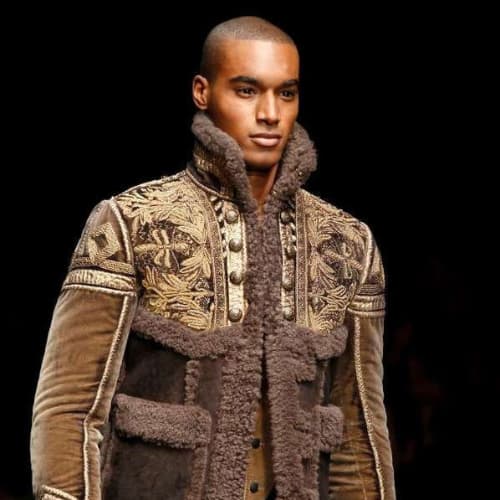
While baroque fashion declined by the mid-18th century, it left echoes in Rococo style, which carried forward the love for detail but with lighter and more playful aesthetics. Even today, fashion designers reinterpret baroque patterns, embroidery, and silhouettes in modern couture, linking past and present through ornate expression.
Baroque Fashion In Modern Culture
From haute couture runways to themed events, baroque inspiration remains alive. Heavy embroidery, gold details, and corseted silhouettes reappear in gowns and even in stage costumes for music artists. Interior design and theater also borrow baroque fashion motifs, showing how the style transcends time.
Social Messages In Fashion Choices
Baroque fashion communicated messages far beyond aesthetics. Clothing indicated:
- Rank and Class – Nobility dressed in fabrics unavailable to lower classes.
- Power and Authority – Kings used fashion as a political tool.
- Cultural Identity – Specific colors and designs marked regional affiliations.
These coded messages made fashion part of social control.
Legacy Of Baroque Fashion Today
Designers reinterpret baroque style through bold embroidery, dramatic silhouettes, and heavy ornamentation. Runway shows still borrow the theatrical nature of the 17th century, proving that the allure of grandeur never fades. It remains an inspiration for costume designers, luxury brands, and cultural festivals worldwide.
FAQs About Baroque Fashion
-
What Time Period Does Baroque Fashion Cover?
Baroque fashion thrived from the early 1600s until the early 1700s, dominating aristocratic courts and cultural life across Europe.
-
What Fabrics Defined Baroque Clothing?
Silk, velvet, brocade, and satin served as the core fabrics, often adorned with embroidery and lace.
-
Why Did Wigs Become Popular In The Baroque Era?
Wigs symbolized refinement, hygiene, and class distinction. Larger, more elaborate wigs reflected higher social ranking.
-
How Did Baroque Fashion Differ For Men And Women?
Men wore broad-shouldered coats, lace cravats, and breeches, while women embraced corseted bodices and wide skirts with heavy embellishments.
-
Does Modern Fashion Still Use Baroque Elements?
Yes, designers reimagine baroque motifs in embroidery, silhouettes, and couture gowns, especially in luxury and theatrical fashion.