
Japanese street style never fails to surprise, and one of its most colorful and daring movements is Gyaru fashion. This style burst into the spotlight in the late 1990s and early 2000s, bringing rebellious energy, eye-catching makeup, and glamorous outfits to the streets of Tokyo. It challenged traditional beauty ideals and gave a space for young women to express bold individuality. From flashy hair extensions to dramatic nails and flashy accessories, Gyaru fashion shaped an entire subculture that still leaves an impression today.
Gyaru Fashion And Its Core Identity
One thing is undeniable that Gyaru fashion combines attitude, confidence, and lifestyle. Rooted in a desire to break away from traditional cultural norms, it celebrates fun, extravagance, and independence. The style has many branches, each with its own clothing, makeup, and attitude, yet they all connect through a love for glamor and exaggeration.
Starts Of The Gyaru Movement
The Gyaru wave started in Japan during the late 1990s. Teen girls and young women turned to bold Western-inspired fashion, tanning, and flashy makeup as a way to stand apart from society’s expectations.
Early traits included:
- Bleached or dyed hair, usually blonde or light brown
- Heavy eyeliner and dramatic false eyelashes
- Bright outfits with platform heels
- Glittery phone charms and oversized handbags
What began as a small street movement quickly grew into a recognizable trend across Tokyo’s Shibuya and Shinjuku districts.
Different Substyles Within Gyaru Fashion
Over time, Gyaru fashion split into multiple subcategories, each giving wearers the chance to embrace a unique identity.
Popular substyles include:
- Kogal – School uniform-inspired looks with short skirts, loose socks, and dyed hair.
- Onee Gyaru – More mature and sophisticated style with elegant dresses and classy heels.
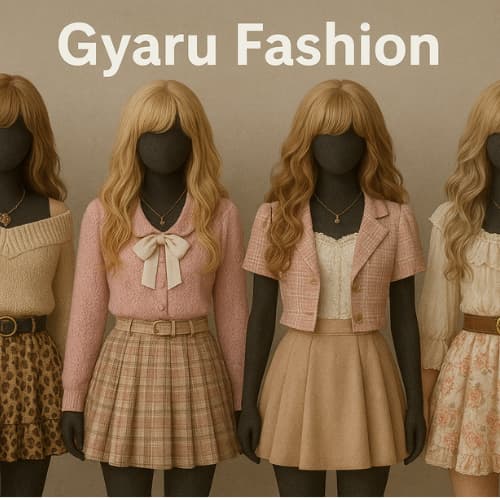
- Hime Gyaru – Princess-like fashion with big curls, tiaras, and pastel gowns.
- Manba / Yamanba – Extreme style with deep tans, neon clothing, and white eye makeup.
- Agejo – Glamorous hostess-inspired looks with bodycon dresses and high heels.
Makeup And Hairstyling Trends
Gyaru makeup became one of the most defining aspects of the subculture. The dramatic look created a sharp contrast to natural Japanese beauty standards.
Makeup elements included:
- Circle lenses to enlarge the eyes
- Heavy eyeliner and layered false eyelashes
- Contoured nose and cheeks for sharper features
- Pale lip gloss or nude lipstick
Hair often matched the boldness of the makeup. Extensions, voluminous curls, and unusual colors such as platinum blonde or bright pink made Gyaru hairstyles iconic.
Accessories That Defined Gyaru Looks
Accessories always played a central role in shaping Gyaru fashion. The more extravagant, the better.
- Rhinestone-covered flip phones or handbags
- Nail art with gems, charms, and 3D elements
- Chunky platform heels
- Glittery jewelry such as oversized rings and hoop earrings
These details elevated outfits from stylish to unforgettable.
Comparing Gyaru Substyles
| Substyle | Main Features | Common Colors |
|---|---|---|
| Kogal | School uniform skirts, loose socks | Navy, beige, white |
| Onee Gyaru | Elegant dresses, classy heels | Neutral, black, beige |
| Hime Gyaru | Princess curls, tiaras, pastel gowns | Pink, lavender, cream |
| Manba / Yamanba | Deep tan, neon outfits, white eye makeup | Neon, black, silver |
| Agejo | Glamorous hostess-inspired fashion | Red, gold, black |
Cultural Influence And Media Presence
This fashion reached its peak in the early 2000s. Magazines like Egg and Popteen highlighted trends, while Shibuya became the go-to hub for spotting groups of Gyaru. Music, nightlife, and entertainment also embraced the bold aesthetic. While mainstream popularity faded later, the subculture left a strong influence on Japanese street fashion and global youth trends.
Gyaru Fashion In The Modern Era
Although the craze declined after 2010, echoes of Gyaru still remain in Tokyo fashion districts and among dedicated fans. Today, the look appears at themed parties, cosplay events, and online fashion communities. Younger generations experiment with softer versions, blending Gyaru makeup with contemporary streetwear.
Styling For A Gyaru-Inspired Look
For those who want to recreate the aesthetic, a few details can instantly deliver the vibe.
Try these styling choices:
- Add dramatic false lashes and bold eyeliner.
- Experiment with blonde or pastel-colored wigs.
- Wear platform boots or chunky heels.
- Mix rhinestone accessories with flashy handbags.
Makeup And Styling Must-Haves For This Fashion
| Category | Must-Have Items | Purpose |
|---|---|---|
| Makeup | Circle lenses, eyeliner, lashes | To enlarge and dramatize eyes |
| Hairstyle | Extensions, wigs, curls | To create volume and glamour |
| Nails | 3D nail art, rhinestones | To showcase individuality |
| Clothing | Mini skirts, bodycon dresses, flashy tops | To highlight bold personality |
| Accessories | Glittery bags, platform shoes, jewelry | To complete the look |
What Makes Gyaru Fashion Different From Other Japanese Street Styles?
Gyaru fashion emphasizes glamor, confidence, and extravagance, while other Japanese street styles, such as Lolita or Visual Kei, focus on elegance or artistic rebellion.
Is Gyaru Fashion Still Popular Today?
The peak period passed, but dedicated communities still celebrate the style, especially in Shibuya and online platforms.
What Role Did Magazines Play In Gyaru Culture?
Magazines like Egg shaped the community by showcasing trends, featuring models, and providing styling tips that influenced young women across Japan.
How Do People Incorporate Gyaru Elements For Special Occasions?
Events like Halloween, cosplay conventions, or themed parties often feature Gyaru-inspired looks with exaggerated makeup, hair, and accessories.